
Research Project
Regional Biosolids Strategy Lower North Island
A three-year collaborative project working in partnership with ten lower North Island councils to develop a regional specific biosolids strategy.
More than 320,000 tonnes of wastewater treatment plant solids are produced every year in New Zealand.
In addition, there are approximately 200 waste treatment pond systems which have been in operation for 30-50 years and now require desludging to continue effective operations. All territorial authorities face the same problem of what to do with these solids.
The Regional Biosolids Strategy - Lower North Island was a 3-year collaborative project involving ten lower North Island councils working in partnership to develop a regional specific biosolids strategy.
The strategy's focus was on the potential collective management of municipal wastewater treatment solids for beneficial use. It was led and co-ordinated by Lowe Environmental Impact (LEI) with contributions from Massey University and The Institute of Environmental Science and Research Ltd (ESR).

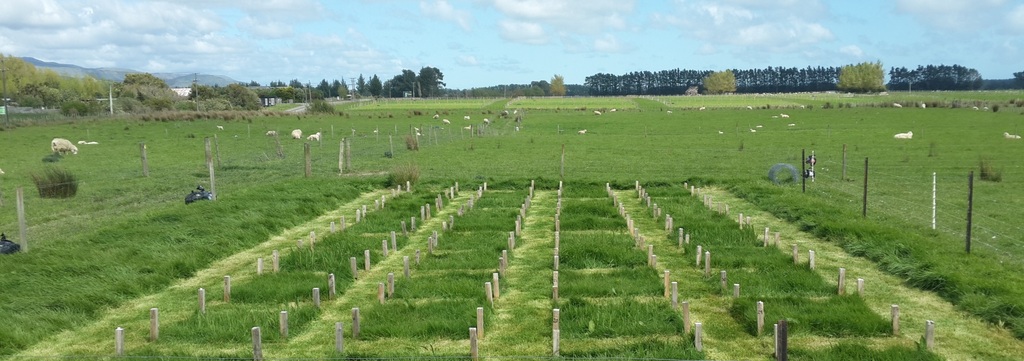
Biosolids amended plots of rye-grass, pasture and oats at the Massey University research farm in Palmerston North
The project work was divided into stages to achieve a collective strategy for the region. The steps to develop a strategy covered:
- Analysis of knowledge gaps;
- Summaries of the current state of oxidation ponds within the region and technical analysis of oxidation pond sludge;
- Exploring the challenges facing councils and iwi when working around biosolids issues;
- Identifying and developing potential pathways for councils to work together to achieve their aims for biosolids use; and
- Exploring the technical feasibility of a range of biosolids end-use options.
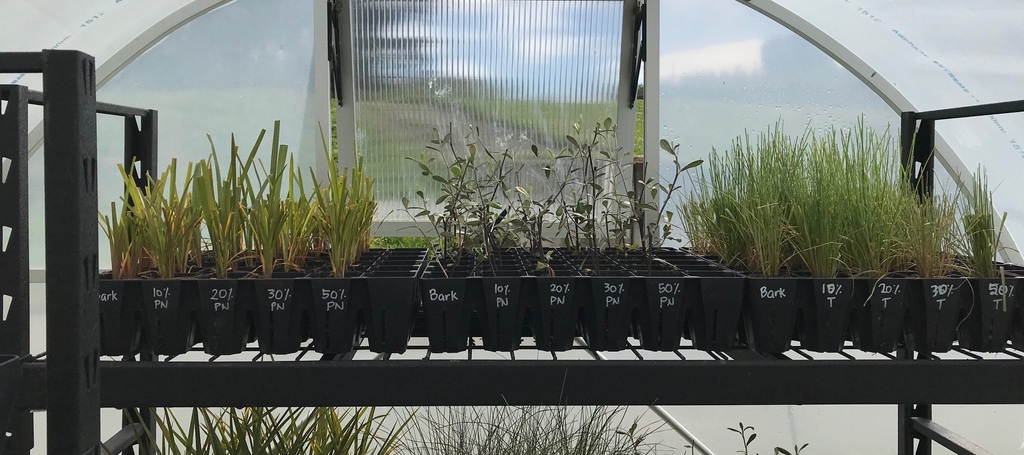
Native seedlings growing in a mixture of biosolids and mulch in the ESR glasshouses, Kenepuru
The project achievements were vast; some key points can be summarised as follows:
- Council/regional specific strategies for biosolids management were developed;
- The project facilitated a forum to bring councils together to discuss sludge management; working together was considered favourably;
- Councils made clear they are keen for beneficial use options for their sludge, however, this is held back due to financial, consenting and community perception barriers; and
- By working collectively this project was able to achieve outputs that many councils could not have achieved individually.
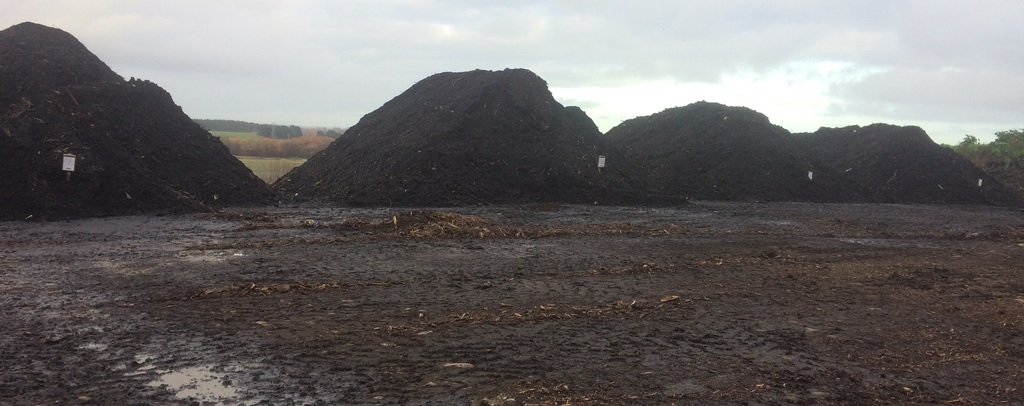
Compost windrows at the biosolids composting trial, Palmerston North
Strategy Documents
The documents below are provided for public use. The strategy is broken down into three parts:
- Part A: The ‘Regional Biosolids Strategy’, which also serves as an overview of the project and project outputs;
- Part B: 9 concise fact sheets covering a range of biosolids related topics; and
- Part C: 14 comprehensive reports relating to all aspects of the ‘Regional Biosolids Strategy’.
PART A: REGIONAL BIOSOLIDS STRATEGY
PART B: FACT SHEETS
What are Biosolids?
Fact Sheet 1
Components of Processing Sludge
Fact Sheet 2
Beneficial Use of Biosolids
Fact Sheet 3
Composting Sludge
Fact Sheet 4
Land Application of Biosolids
Fact Sheet 5
Sludge as a Growth Medium
Fact Sheet 6
Regulation and Consenting
Fact Sheet 7
The Biosolids Guidelines
Fact Sheet 8
Biosolids and Cultural Impact Assessments
Fact Sheet 9
PART C: Full Reports
Need to know more about the Regional Biosolids Strategy?
Talk to us and we’ll show you how the Regional Biosolids Strategy can help make informed, practical decisions about the beneficial management of biosolids.
Get in touch