
How Much Nitrogen Are You Applying: Accounting for Seasonal Losses
September 21, 2026


Managing nitrogen is not just about how much is applied, but how it behaves once it’s applied, and how that changes through the year.
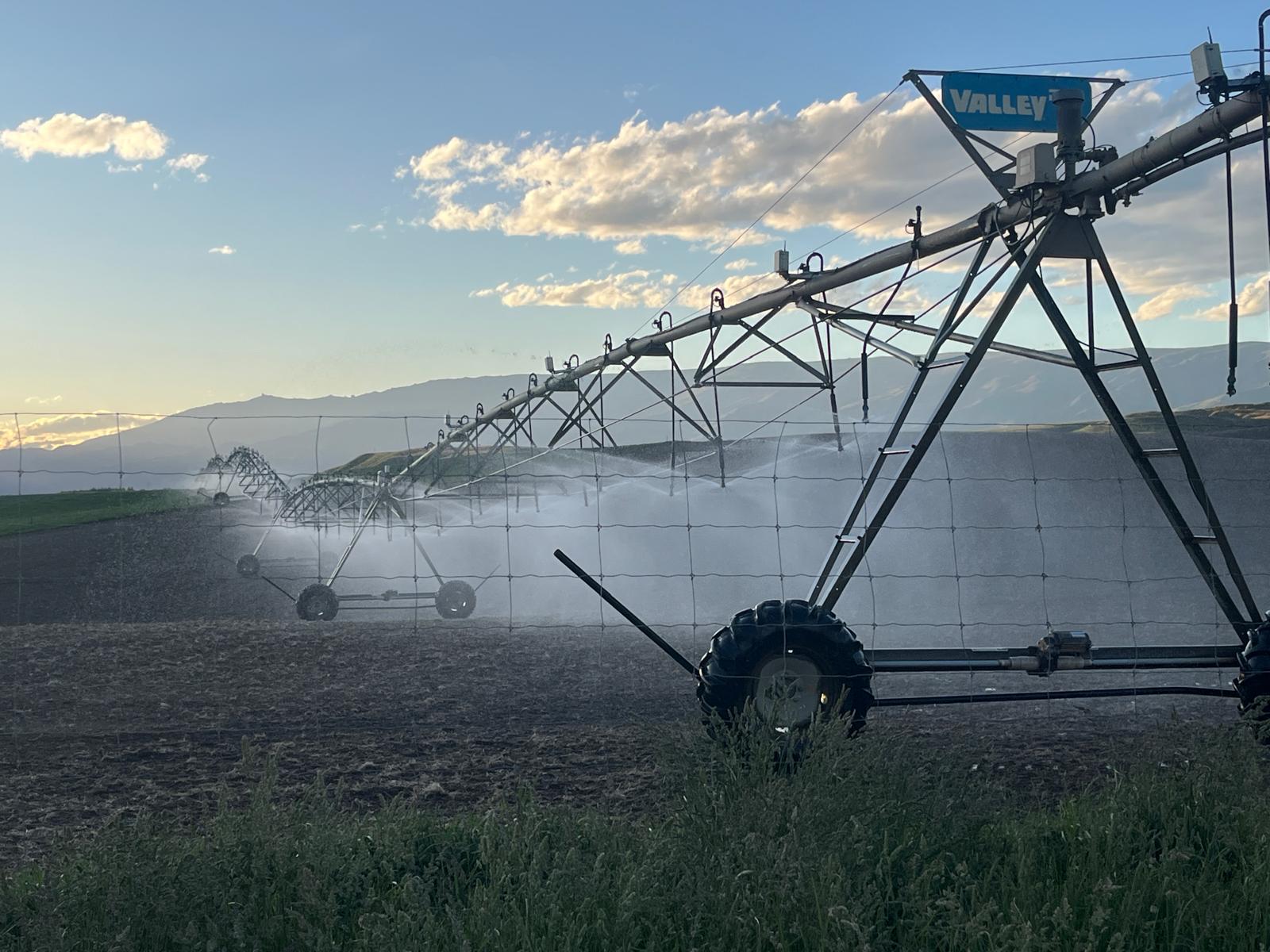
In the example below, treated wastewater from a small community is applied to land via a centre‑pivot irrigation system.
Nitrogen loading for the discharge site is managed using a rolling 24‑month mass‑balance approach, supported by active nitrogen removal through cut‑and‑carry harvesting. We calculate that more than 80% of applied nitrogen is exported in harvested plant material, exceeding required removal benchmarks and helping limit net nitrogen accumulation in soils.
The form and timing of nitrogen application also matter. At this site, the treated wastewater contains nitrogen predominantly in ammoniacal form, which is less immediately mobile than nitrate. During spray irrigation, a proportion of this nitrogen is lost to the atmosphere as ammonia, particularly in warmer months. Peer‑reviewed field studies show ammonia volatilisation losses of around 15–35% during irrigation events, with higher losses linked to higher temperatures and wind speeds. This lost nitrogen does not need to be included in the applied mass as the nitrogen hasn’t reached the soil surface.
After application, further attenuation can occur in the soil profile. Periods of high soil moisture can create conditions favourable for denitrification, especially where nitrate and readily available carbon are present together. The organic carbon in treated wastewater supports these microbial processes, further reducing the nitrogen mass available for leaching.
To reflect these seasonal and process‑driven losses without overstating them, a conservative non‑winter nitrogen loss factor (around 15%) can be used alongside measured nitrogen removal. This provides a precautionary yet realistic representation of how nitrogen actually behaves in land‑application systems.